Best Overall Prepaid SIM CardUS Mobile | ||||
Price$20/month | ||||
NetworkYour choice of Verizon (Warp), AT&T (Dark Star), T-Mobile (Light Speed) | ||||
Plan10GB By the Gig plan | ||||
Data Can buy more at $2/GB if needed before billing cycle resets.10GB | ||||
| | ||||
| |
Published: June 30, 2026
Best Prepaid SIM Cards for September, Starting at $0
US Mobile takes best overall with its 10GB plan, while TextNow offers $0 service that's great for a short trip to the U.S.
Written by Valeria Dulava
Our top pick for the best prepaid SIM card is US Mobile's By the Gig 10GB plan, which gives you access to the Big 3 major cell networks, international texts and calls from the U.S., plus mobile hotspot data. Other great picks for travelers visiting the U.S. include TextNow for free service and Boost Mobile for unlimited data.
Prepaid SIM cards are crucial to activate a prepaid phone plan, which is a cheap and flexible way to get nationwide phone service. But they’re also a convenient way to get service in the U.S. when visiting from abroad. Depending on your home carrier’s roaming rates, activating a U.S. prepaid SIM card can be more affordable, too.
The many cheap prepaid SIM cards mean lots of choices for temporary service that lets you stay connected with people back home plus find your way around with navigation and information services. To help you choose, we put together a list of the best prepaid SIM cards that are affordable and easy to set up for travel in the U.S.
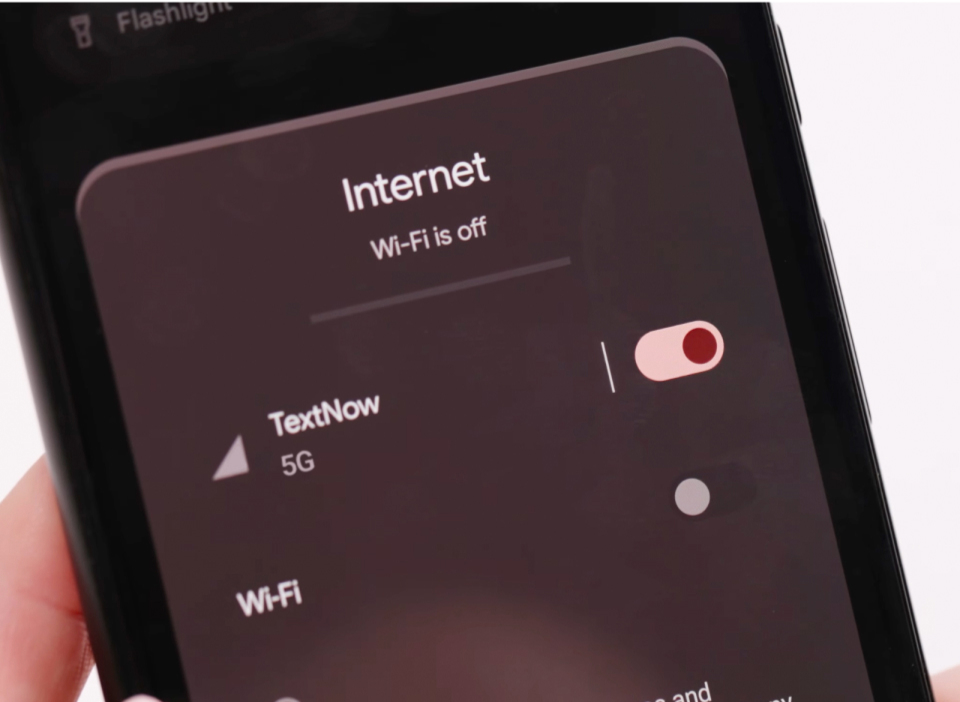
Best Prepaid SIM Card for a Short TripTextNow | ||||
PriceStarts at $0/month | ||||
NetworkNationwide 5G network | ||||
PlanFree plan or Unlimited | ||||
Data After limit is reached, data is slowed for the rest of the billing cycle.1GB on Free plan Up to 20GB high-speed on Plus or Unlimited | ||||
| | ||||
| |

Methodology: How we picked the best prepaid SIM cards
There are more than 50 prepaid phone plans in the U.S., which means that there are more than 50 prepaid SIM cards to choose from. It can be overwhelming to narrow down the best prepaid phone plans or the best prepaid SIM cards, as the reasons for activation vary. We chose to focus on travel as the main motivator for finding a prepaid SIM card, in which case, it was important that we considered the following:
- Ease of purchase and activation
- Affordability
- Network reliability/coverage
- Flexibility with payment and cancellation
Each of these factors are considered with its own weight, leading to a score that helps us determine the best picks.
Beginner’s guide to prepaid SIM cards
What is a prepaid SIM card?
A prepaid SIM card is a mobile SIM card that allows users to pay for mobile services in advance, rather than being billed at the end of a monthly cycle (as with postpaid plans).
Like any other SIM card, a prepaid SIM card is what connects your (compatible) phone to the network, granting you access to data to use for apps and services away from Wi-Fi.
How does a prepaid SIM card work?
Prepaid SIM cards are assigned a unique identification number that stores information about your phone plan (type of plan, available data, voice minutes and text messages). Carriers then use this information to verify your account status and pass along the required service.
Unlike a traditional, postpaid SIM card, your service (voice minutes, text messages, data allowance) is stored on the prepaid SIM card in advance, so you can only use what you already paid for. One advantage is that you don't have to worry about your phone bill's effect on your credit if you forget to pay.
The steps for getting the service with a prepaid SIM card are:
- Purchase a prepaid SIM card from a carrier or retailer alongside a prepaid phone plan.
- The card comes with a phone number (optional) and a set amount of talk time, texts, and data, depending on the plan you chose.
- Activate the SIM card.
- Use the phone service. If you’re on a limited service plan (limited data or limited voice minutes and texts) and your balance is used up, you will simply not have any further service for the remainder of the billing cycle. In some cases, you will be given the option to re-up your balance (e.g. buy more data by the GB), or simply restart your billing cycle, which will involve pre-paying for a month of service again.
Types of prepaid SIM cards
There are two types of SIM cards: A physical SIM and an eSIM.
- A physical prepaid SIM card can be purchased in-store or online and is a physical chip that inserts in your phone via a removable SIM card tray.
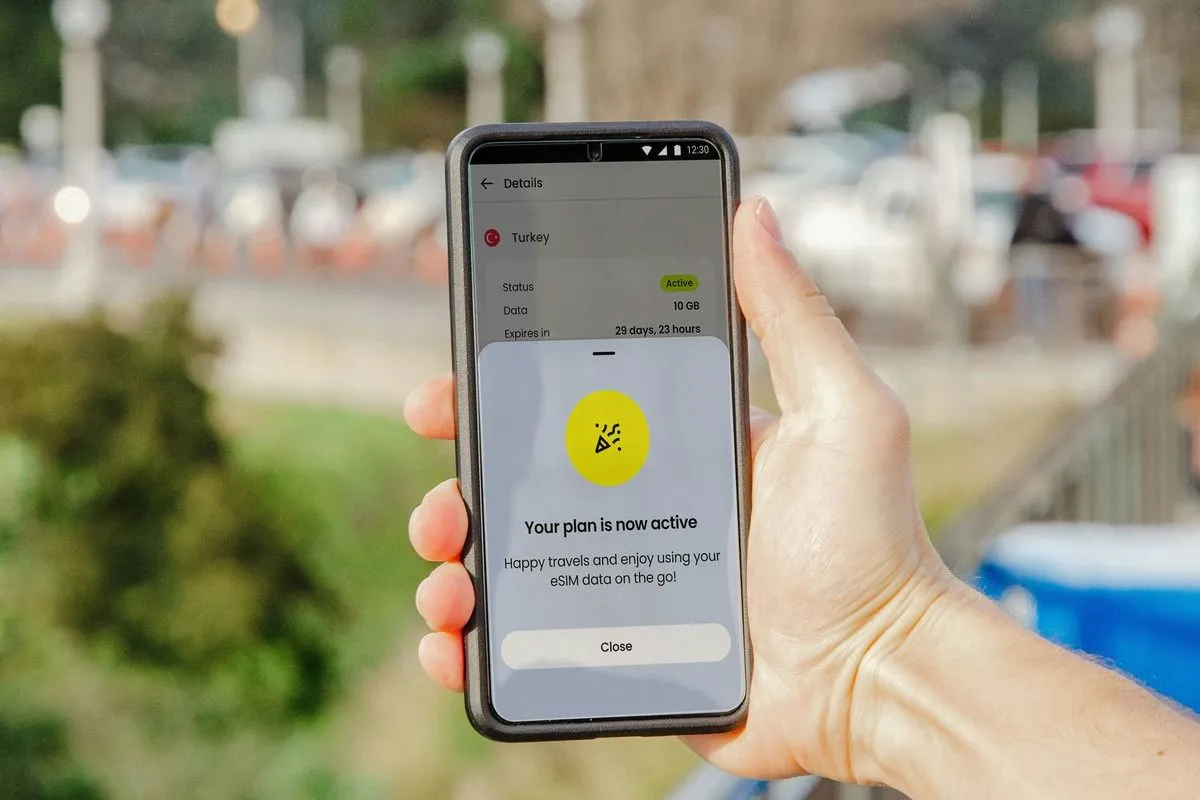
- A prepaid eSIM card is a digitally embedded SIM that can be purchased online and is then activated remotely via a QR code or specialized link that the retailer or carrier provides. It does not involve a physical chip and can easily be activated at home or while you’re out, as long as you’re connected to Wi-Fi for the activation.
Which phones work with a prepaid SIM card?
Most smartphones will be compatible with a prepaid SIM card. The only barrier would be whether your phone is carrier-unlocked. If your phone is locked to a carrier, it would not be allowed to activate any other SIM card (other than its original one).
What are the advantages of a prepaid SIM card?
A prepaid SIM card has many advantages that work both for travel and for regular, domestic use:
- More affordable: Prepaid plans can range from $10-$60/month, in comparison to postpaid plans, which range from $50-$100.
- You only pay the agreed upon amount (no potential to incur extra charges.)
- No contracts: More flexibility to change or cancel your plan.
- No credit checks, making them more accessible.
- More choices: There are significantly more prepaid plans available than postpaid, so you can shop around more and find one that works for you.
What are the disadvantages of a prepaid SIM card?
If you’re a heavy data user counting on a service that will grant you the best data network, a prepaid SIM card may not be for you:
- Network priority: Prepaid plans are usually deprioritized during network congestion.
- Lower data limits: While most prepaid plans do offer unlimited data, the set limits for high-speed data on those is usually lower than postpaid.
- Fewer in-store services: Most prepaid phone carriers operate online only, making it harder to find a prepaid SIM card in a store.
Which prepaid SIM has the best network coverage?
Most prepaid carriers run on either AT&T, T-Mobile, or Verizon’s networks, so the best network coverage will depend on which “Big 3” network a prepaid carrier runs on.
According to Allconnect, if you’re looking for the best all-purpose LTE coverage in the U.S, that would be Verizon with its 4G LTE service available to 70% of the nation. For 5G coverage, however, Verizon has the least amount of coverage. Instead, T-Mobile has the best with 54% of national coverage. The carrier with the most comprehensive coverage that covers both 5G and LTE, however, is AT&T. Some prepaid SIMs that connect to A&T’s network include Cricket Wireless, Boost Mobile, and US Mobile.
How to pick the best prepaid SIM card
The best prepaid SIM card is one that allows for the easiest, most convenient activation and subsequent cancellation, if applicable. Rather than focus on the service plan solely, we recommend that you follow this quick guide to find the best prepaid SIM card:
- Find out if your phone is eSIM compatible or can only take a physical SIM card: While eSIM activations are significantly easier for travel, not all phones support them. Figure out if your phone can support an eSIM, as it will narrow down your choices of prepaid SIM cards.
- Look into whether you’re able to receive a shipped SIM card: A lot of physical prepaid SIM cards can only be purchased online. If you’re unable to receive one due to your location, your choices are then also narrowed down to which providers have their SIM cards available in-store.
- Figure out how much data you need: Before you start shopping around, figure out how much data you actually need, so you can narrow down your list based on whether you’re looking for a no data plan, a limited data plan, or an unlimited data plan.
- Set your budget: Prepaid plans are generally a lot more affordable than postpaid and can certainly help you save money and bolster your financial goals. Make sure you read the fine print and ensure that any promotional price you’re getting as a new customer isn't part of a “pre-pay up front for a multi-month bundle” or won't expire after the first month if you need the service for longer-term.
- Consider coverage: You can get the best, most affordable phone plan there is, but if the coverage in your area isn’t great, you’re never going to be able to get your money’s worth. Look up the coverage first, then decide on a plan based on the network that’s available in your area.
- Review network reliability: Coverage on a map is one thing, but confirming network reliability (based on how often it gets deprioritized) is a more important indicator of service quality. You can search for real user reviews of a carrier to determine if it’s one that you can trust.
How to activate a prepaid SIM card
The process to activate will vary slightly based on the type of prepaid SIM card you get, so we broke it down by the two options.
Activate a prepaid physical SIM card:
- With your phone turned off (or in Airplane Mode), locate the SIM card tray in your phone and remove it with a SIM ejector tool (an opened paperclip or the post of an earring will also work).
- Insert the SIM card into the tray correctly and put it back in the phone.
- Power your phone on and wait for it to detect the SIM.
- If it prompts for a PIN, enter the one provided by the carrier.
- Wait for the phone to connect to a network (check for signal bars)s
- If you run into any issues with your activation, contact the carrier directly for further support.
Activate a prepaid eSIM:
- Once you make a purchase, the carrier will provide you with either a QR code to scan or a link to click on to activate the eSIM.
- Scan the QR code using the mobile device with which you want to use the eSIM.
iPhone: Open your camera app or QR code app to scan.
Android: Open the settings app on your mobile device, click the connections, click SIM card manager, and then click to scan the QR code. - After scanning the QR code, your mobile device will ask you to select or manually insert information. After you complete all the steps, you will activate the eSIM successfully.
>> Read more:
FAQs about prepaid SIM cards
Have questions or comments? Send us a note at [email protected]!