Written by Kathy Hinson
Cell Phone Safety Tips for Kids Getting a First Phone
Coach kids on these 7 phone safety rules in a reassuring way, and pair the rules with a kids’ phone that has safety measures built in.
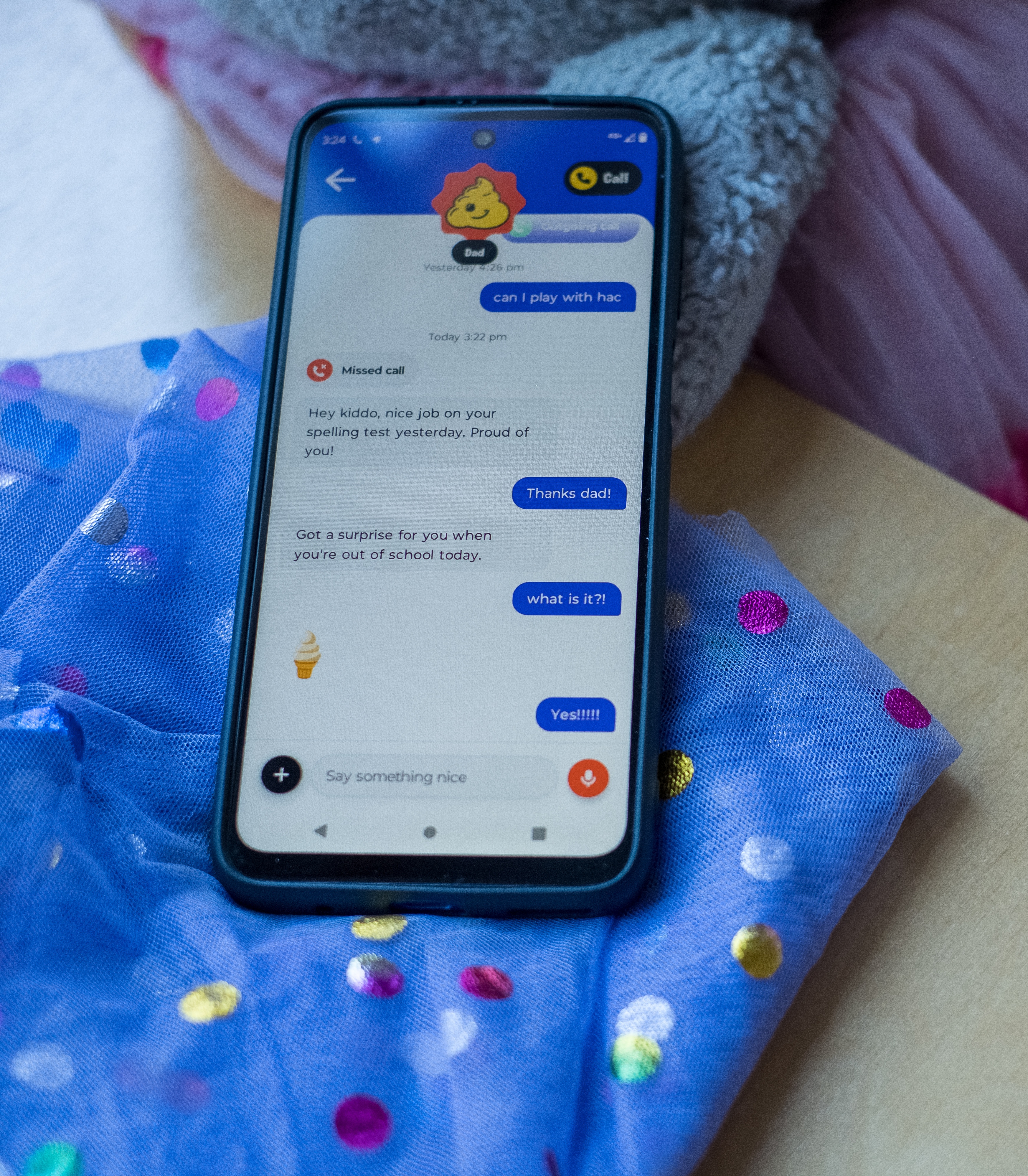
Teaching phone safety for kids is a balancing act: You want to keep them safe without making them fearful. Start by choosing a first phone for kids that has a lot of safety features built in, so you don’t have to overburden them with rules and warnings.
Then help your child understand how to use it, focusing on simple concepts. These 7 safety rules for a first phone help set your child up for success:
- Always answer parents and keep your phone charged.
- Only talk to people you know.
- Follow phone rules at school and activities.
- Be aware of privacy for yourself and others.
- Use good phone etiquette and be kind.
- Know what to do if you make a mistake.
- Follow the family phone-use contract.
The short answer
Each family decides the right age for a child to get a phone or other device, but often it’s keyed to when they start school. Elementary-age kids think in concrete rules, so you can approach it like teaching other safety measures, such as wearing a bike helmet. Keep the rules simple and go over them often to help your child develop good habits.
Rule 1: Answer parents and keep your phone charged
Staying in touch is a big driver behind your decision to get a child’s first phone. Focus on family connection with phone safety rules like “always answer or respond when a parent calls or texts.”
Kids can be bad about letting their phone battery run low. Explain that a dead phone means you won't be able to contact them and location sharing won't work. Consider choosing a phone that lets parents view battery level, so you can remind them to charge if you see it’s needed.
Also, set consistent charging times and locations to help your child develop good habits. One popular rule is kids’ phones must be left on the charger in a central location, like the kitchen, overnight. That keeps the battery topped up and avoids the temptation of being on the device past bedtime.
Rule 2: Only talk to people you know
A big part of phone safety is keeping kids’ communication limited to known people. One easy way to do this is by choosing a purpose-built kids’ phone like Yello!, which lets parents control the contact list and bars calls and texts from anyone else. Consider setting up your child’s first phone with only a small circle of family and friends to start. You can add more contacts later as they grow.
If you opt for a phone that doesn’t block unknown numbers, be sure to explain to your child why they should never engage with someone they don’t know or divulge any personal information on their phone.
Rule 3: Follow phone rules at school and activities
Before you hand off the phone, go over the rules that apply to phone use away from home. Many states have passed legislation either requiring or supporting rules to limit student cellphone use. Check with your child’s school to find out its rules, then go over them with your student.
Expand the conversation to cover rules for other times they’re away from family, such as at after-school care, sports, play dates, etc. It’s best to do this in bite-sized pieces, due to younger kids’ limited attention spans. And it’s not a one-and-done conversation: Reiterate rules regularly as you drop them off at school or an activity. That sets your child up for success and a feeling of mastery.
Rule 4: Be aware of privacy for yourself and others
Educate kids about photos and videos: They have a right not to be recorded or photographed without permission. Similarly, they should ask before taking photos or video of others.
Also, let extended family and caregivers like babysitters or nannies know your rules about taking or sharing photos and videos.
For younger kids, it’s best to choose a phone like Yello! that includes a camera and photo gallery but doesn't allow image sharing, so nothing leaves their phone.
Rule 5: Use good phone etiquette and be kind
Coaching kids on kind communication is part of developing their empathy, and studies have shown increasing empathy skills can help reduce bullying and other problematic behaviors. Using language geared to your child’s age, explain that:
- Talk about how making fun of someone or being mean is never OK, even in a text to someone else.
- Explain that texts can be “read the wrong way” easier than speaking to someone in person. Suggest easy things like using emoji to indicate how they mean their words or pausing to re-read a text before sending.
- Remind them texts aren’t “here and gone” like spoken words. They stay on others’ devices and are out of the sender’s control once sent.
Also, explain what to do if a friend or classmate is treating them unkindly or not following these rules. They can talk to the friend in person and/or ask an adult for help dealing with the problem.
Rule 6: Know what to do if you make a mistake
Kids are still learning to regulate their behavior, and mistakes will happen. Fortunately, choosing a safe first phone means there are limited ways to get into trouble.
Still, issues may pop up. Emphasize that you’re a safe person to come to if something seems off, for example if their phone is acting up, or they’ve simply broken a rule and gotten into trouble. Take a mistake as an opportunity to coach them on how to do better in the future.
Rule 7: Follow the family phone-use contract
Consider making a cell phone contract for kids that pulls together the guidance you want your child to follow. Not sure where to start? You could simply copy out the rules listed here, add any of your own you'd like, then go over it with your child.
Younger kids will need you to explain what a “contract” is. Read it to them in bite-sized pieces and throw in activities that will help them remember the rules. For example, you could talk about one or two rules a day and have them add stickers or draw a picture to go with each rule.
Older elementary kids with reading skills will be better able to take in the whole contract at once. You could go over it, sign it, and post it on the fridge or another prominent spot to remind them.
Let safety conversations grow with your child
Eventually, your child will be ready for more freedom. You’ll find various phone plans for older kids and teens, and if needed you can pair them with parental controls to limit access to websites, app downloads and more. As they start using the internet, be sure to coach them on online safety for kids and later introduce online safety rules geared for teens. Keep the conversation going, even if kids protest they “already know” the rules. Rehearsing your family rules and values helps keep them top of mind.