Written by Kathy Hinson
Yello! Safe Phones for Kids Ages 5-12, Built for Parents
Parents want to protect kids while keeping the whole family in touch. Yello! offers a locked, parent-controlled device with safety features for ages 5-12.
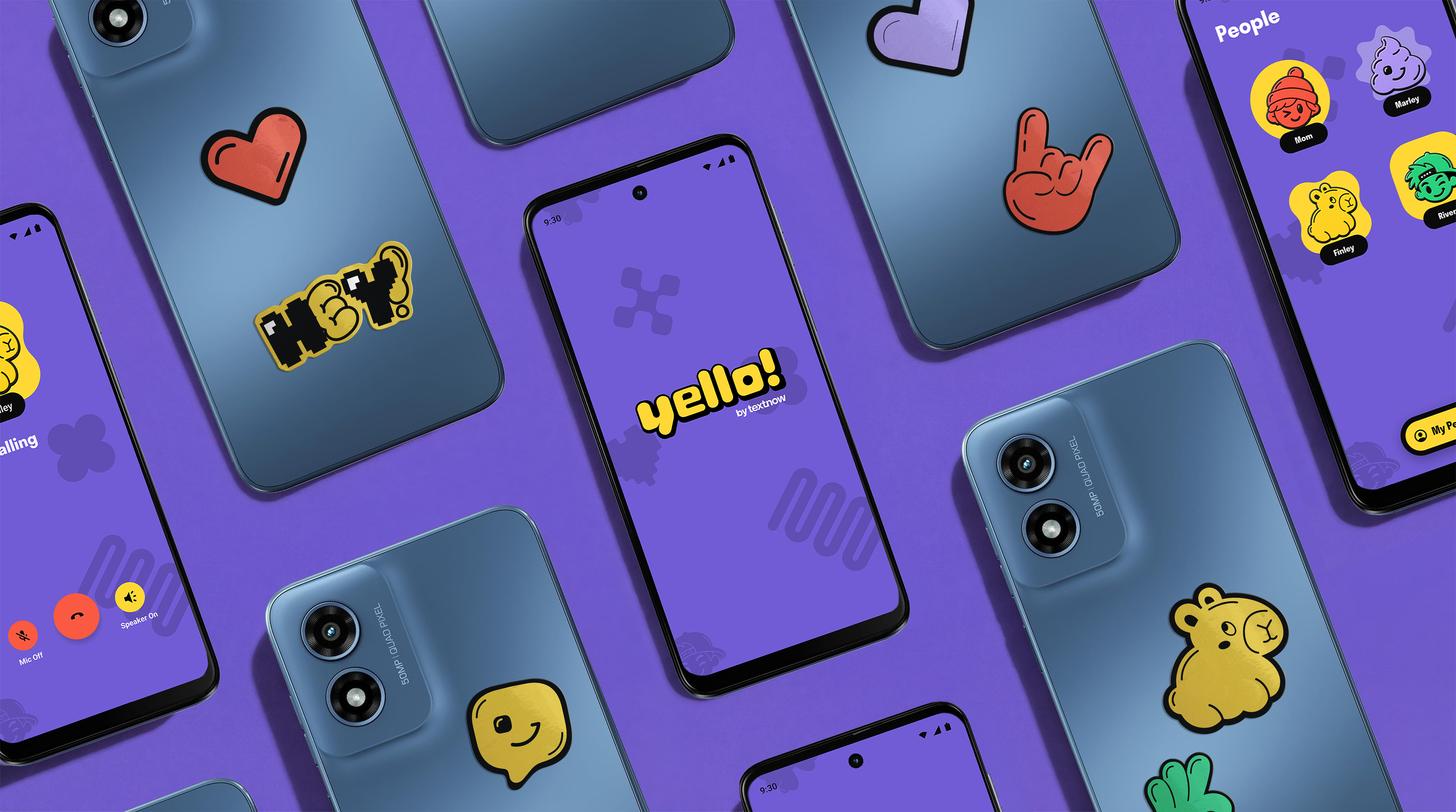
When kids get to school age, family communication becomes key. Parents want to stay in touch without handing kids too much access. Yello! provides a good first phone for kids, paired with an affordable kids phone plan.
What is Yello?
Yello! is a real first phone for kids, made by a group of parents at TextNow. The phone and plan bundle is designed for children ages 5-12 and provides a safe, parent-friendly environment — no internet, no app downloads, no social media, no ads and nothing to buy. Parents choose who their child can call or text, and nobody else gets through. GPS tracking lets parents see their child's location in real time. It looks like a smartphone but acts like a dumb phone for kids. The device costs $149.99 and the service plan is $19.99/month.
What Yello! includes
Among phones for kids, Yello! prioritizes safety by putting common-sense guardrails around phone use. Key features:
- Safe environment: There’s no app downloads or open browser, which protects kids from inappropriate content.
- Pre-approved contacts only: Parents control who the child communicates with and who can contact them. No unknown numbers can text or call.
- Parental geolocation tracking: Real-time GPS location provides peace of mind.
- No social media access: Shields kids in an age-appropriate way.
- Powered by TextNow's nationwide network: Keeps families connected on the go.
- 911 emergency calling: Kids can reach emergency services directly from the phone.
- Their own number, theirs to keep: The number is portable if the family later moves to another carrier.
Simple games, parent-controlled: Parents turn games on or off any time from the Parent Portal.
Note that the Yello! phone, unlike other phones for kids, has controls built in at the carrier and platform level. Others use apps or extra layers on top of a regular smartphone, and online reviews note that determined kids can get around them. Those extra layers also can drain battery and slow performance, making those phones less reliable.
Yello! vs. Gabb vs. Bark vs. Pinwheel
Parents have a few choices when it comes to a first phone for kids. As with any phone and phone plan, you have to balance features you want with the price you want to pay.
These services require buying a phone from the company to begin, and prices range quite a bit — one as high as $600, another starting under $60. As you shop, read more than the price tag. Check the specs and read the fine print, because what a phone can do and what a plan actually includes varies more than the headline price suggests.
With phone in hand, you’ll move on to setting up service. In most cases, that means choosing a plan from the company that offers the phone you picked. (One outlier is Pinwheel, which offers its own wireless service but lets parents use an existing phone plan with a Caregiver Portal subscription.) Again, reading the fine print and details is key — providers may withhold some functionality from lower-cost service plans or make you pay fees for extras.
Here’s how four choices stack up.
Is Yello! right for your child?
Parents may wonder when’s the right age for their child to get a phone. A good guideline is when a child starts spending more time outside the home — going to school, maybe taking the bus, going to after-school activities, etc. You want to keep in contact and know where your child is, without handing them full smartphone access with all the risks the internet presents.
Yello! is designed to be a safe phone for kids 5-12, with a locked-down environment that looks like a smartphone kids will want to use. It provides talk, text, and real-time location tracking but there's no internet and no social media. Parents control the contacts list, so communication is limited to a trusted circle of family and friends, with no calls or texts from unknown numbers. Other safety features include no ads, no app downloads, and no photo or video sharing — although kids can take photos with their phone, just like their peers do.
The controls on Yello! are built into the phone at platform and carrier level, rather than being an app or extra layer riding on top of a regular smartphone. That means kids can’t work around the controls the way they can with app-based parental controls.
Also, Yello! offers one of the cheapest kids phone plans, so you’re not stuck with a high-cost service. A case and warranty are included for free, there’s no activation fee or service contract commitments — in contrast to competitors, where extra fees and charges drive up costs.